
Pangolins remain the most heavily trafficked mammals on earth. All eight species are threatened, with African species increasingly targeted for the illegal wildlife trade.
Guardians of the gentle ones
Any successful conservation journey is because of collaboration.
- Lisa Hywood
On World Pangolin Day 2026, we reflect on almost a decade of partnership with the Tikki Hywood Foundation – and how meaningful craftsmanship can support the protection of one of Africa’s most vulnerable creatures.
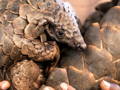
There are moments in our family’s story when creativity and conservation come together in a way that feels both natural and necessary. Our connection to the pangolin – an animal as elusive as it is enchanting – is one of those defining chapters.
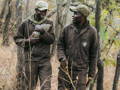

Rescued Pangolin since 2016
304
The Tikki Hywood Foundation has been protecting pangolins since 1994, long before most of the world understood how vulnerable these gentle animals had become. Our own journey with them began in 2016, when we partnered to support their rescue and rehabilitation work. In the years since, more than 403 pangolins have been rescued across Zimbabwe during the decade of our involvement – a testament to the foundation’s extraordinary commitment and the growing global awareness around pangolin conservation.
Their work extends across borders. In 2025, teams in both Zimbabwe and Cameroon rescued 143 pangolins, with an exceptional 131 successfully released back into the wild. And the momentum continues: since the start of 2026, three pangolins have already been rescued and six returned to their natural habitats.
These figures are more than statistics, they represent lives restored, ecosystems strengthened and hope rekindled for a species that relies on human guardianship to survive.
Days since we began collaboration
3400

World Pangolin Days Celebrated
10
Our role began, as so many of our stories do, in the workshop… When we launched the Pangolin Collection in 2016, it was inspired by the animal’s delicate armour and gentle spirit, but it was also created with purpose. Each piece contributes directly to conservation, with 10% of proceeds supporting the Foundation’s vital work. Choosing, wearing or gifting a Pangolin Collection piece becomes a quiet act of guardianship – a way of helping to protect a species under significant threat.
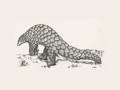

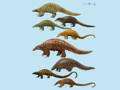

Later this year, we will honour the collection’s tenth anniversary more fully. But today, on World Pangolin Day, we reflect on what it represents: the belief that art can protect, that craftsmanship can ignite awareness, and that small, consistent acts can help change the world.
To the team at Tikki Hywood, whose dedication continues to inspire us, we offer our deepest admiration. And to our global community, thank you for standing with us. Your appreciation for these handcrafted creations plays a meaningful part in ensuring that more pangolins return to the wild, exactly where they belong.

Did you know?
1. They are the world’s most trafficked mammals
2. They have no teeth but extraordinarily long tongues
A pangolin’s tongue can stretch up to 40cm, allowing it to reach deep inside anthills and termite mounds to feed.
3. Their scales are made of keratin
The same material as human nails and hair, pangolin scales form an intricate, overlapping armour that protects them from natural predators.
4. Pangolins are ecological engineers
By consuming millions of ants and termites each year, pangolins help control insect populations, aerate the soil and support biodiversity.
5. Baby pangolins ride on their mother’s tail
Known as ‘pangopups’, young pangolins cling to the base of their mother’s tail as she forages – one of the most distinctive and endearing behaviours in the animal kingdom.
Explore more Conversation Stories

The Kolisi Cuff

Craig, the tusk trust and patrick mavros
Our Family Promise Especially for you
Complimentary Delivery
Over £200 for international orders
Hand Written Message
Personal Shopping
Free Silver Cleaning
Exquisite Gift Wrapping
Breathtaking Locations